How Section 106 Helped Save Remnants of the World Trade Center–and Why Public Review Still Matters
Shortly after 9/11, the families of those killed in the attack asked to put Ground Zero on the National Register of Historic Places. Buildings and places normally have to be at least 50 years old to qualify for the Register. But Ground Zero was listed because of its significance.
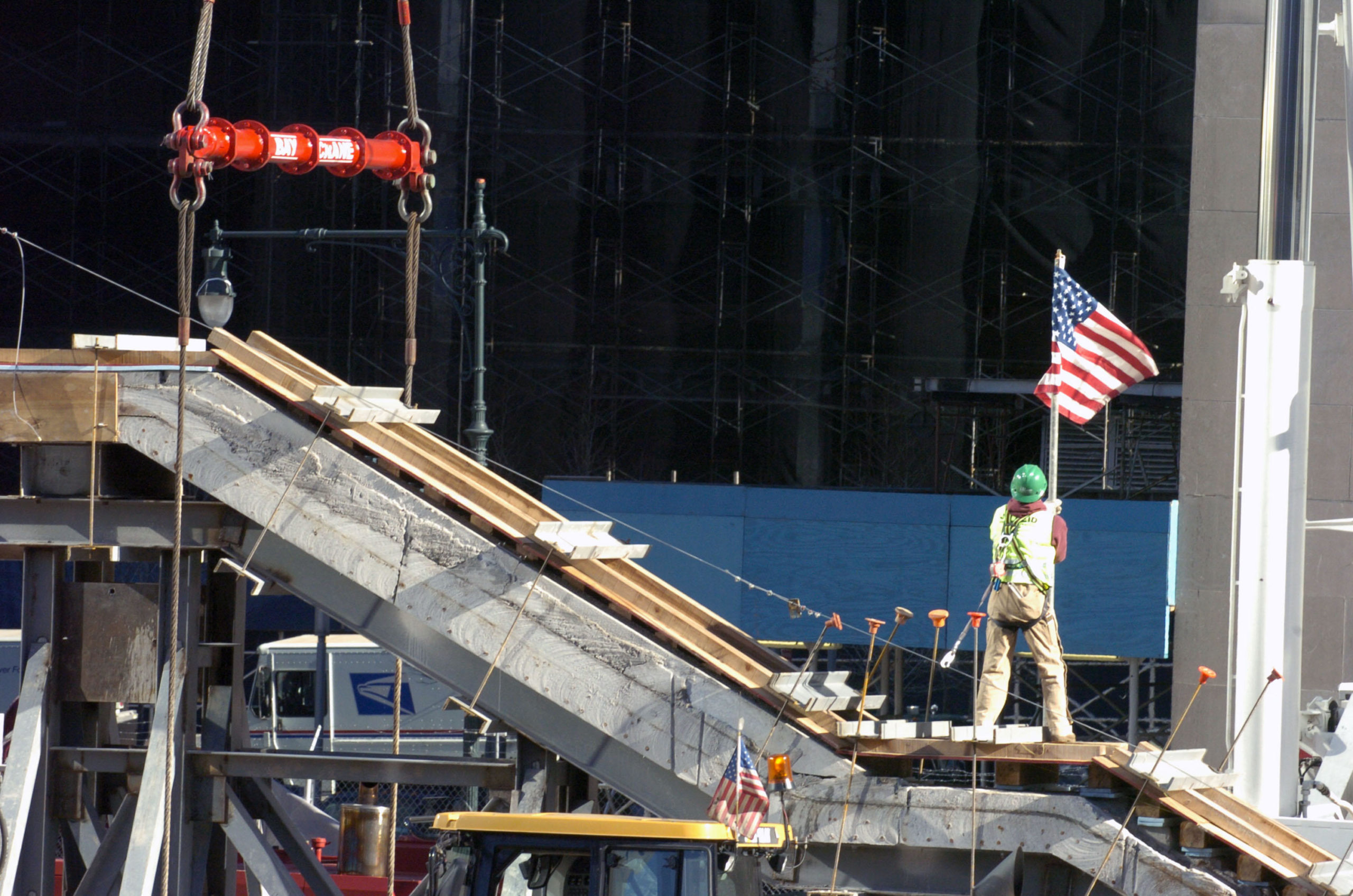
That listing triggered a Section 106 review of the site and its restoration. If you visit the 9/11 Museum, you’ll see the Survivors’ Staircase, a portion of the last surviving above-ground section of the World Trade Center, and the outlines of the box beam columns that supported the Twin Towers. These, and other original features of the site, are there because of that 106 review.
The Conservancy was a “consulting party” to the review. We joined preservation colleagues in documenting all the remaining original features of the towers and promoting those that could be saved and featured.
Sitting in sessions with grieving family members, Lower Manhattan neighbors, and Port Authority employees was difficult. There were strongly held opposing views of what should happen on the site. But it was incredibly valuable. Public input is required in the Section 106 process.
In their grief, families looked to preservation for a way to remember what happened that day and honor their loved ones. At the same time, officials looked for the best way to rebuild. Section 106 brought everyone together and gave everyone a say.
The Federal Advisory Commission on Historic Preservation is trying to abandon its mission and gut Section 106. If their changes are finalized, public review will be optional and won’t count even if public opinion is sought.
This shouldn’t happen as we face the 25th anniversary of 9/11. Preservation matters. People’s opinions matter.
Please speak out. Please write U.S. Senators Charles Schumer and Kirsten Gillibrand, Governor Kathy Hochul, and Attorney General Letitia James. Please also write your U.S. Representative. If you aren’t sure who that is, check here.
Ask them to oppose changes to Section 106 of the National Historic Preservation Act. Tell them historic preservation matters. Public review matters. And changes curtail the State’s right to know about and influence federally-funded projects.
Section 106 has also played key roles in the development of Moynihan Train Hall and the reuse of the former TWA Terminal at JFK. Don’t let these changes take away public review and comments on Penn Station and future projects that impact our heritage and our City.