

You may have seen the New York Times editorial on May 24. It once again promotes the idea that we can build our way out of the affordable housing dilemma. The so-called abundance theory has been promoted by Times opinion writer Ezra Klein. It has been accepted by many. But is this the answer for New York City?
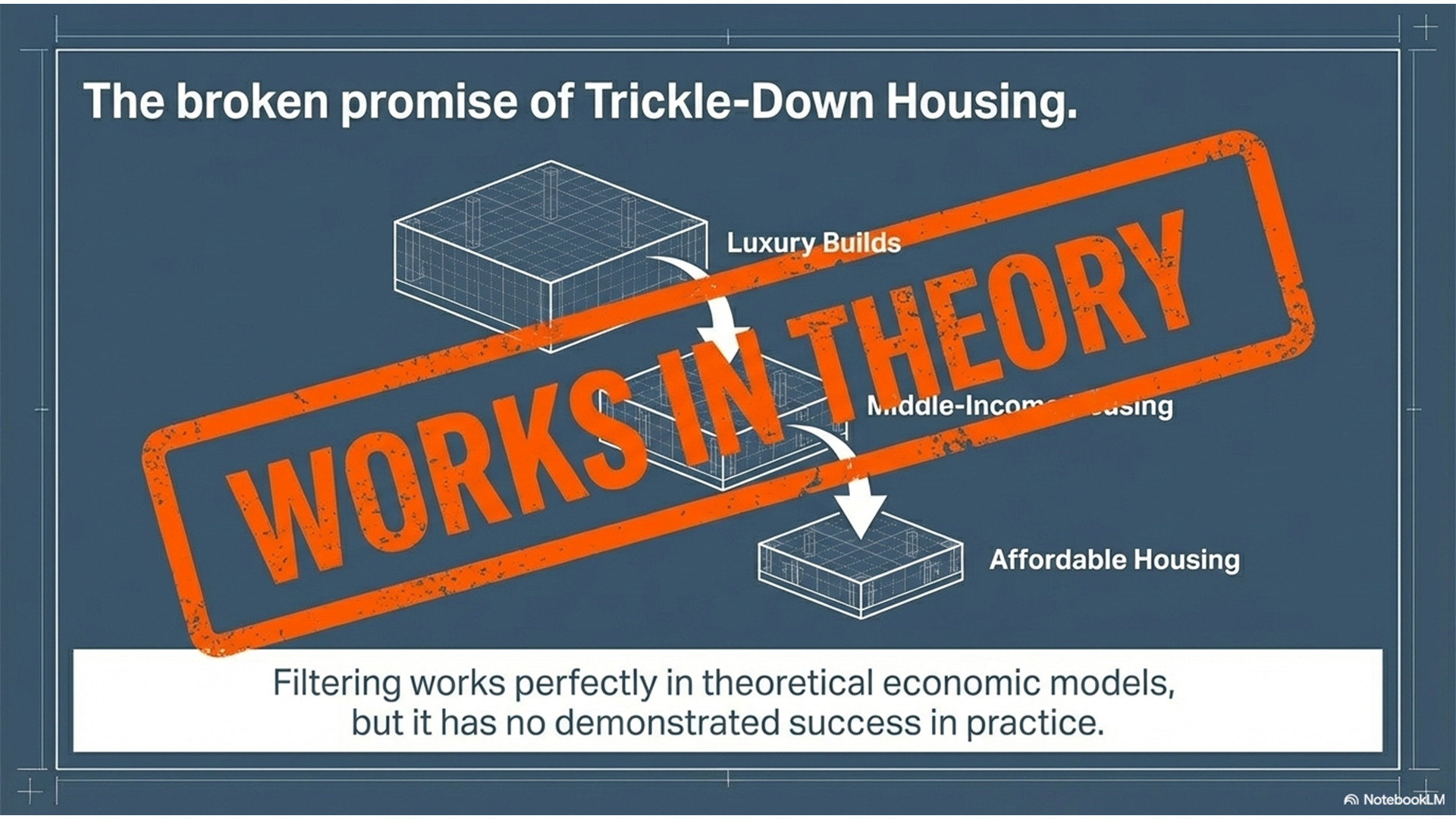
Economist Donovan Rypkema does not believe that this theory works in New York. He explained why to Conservancy audiences twice this spring. Here are his points:




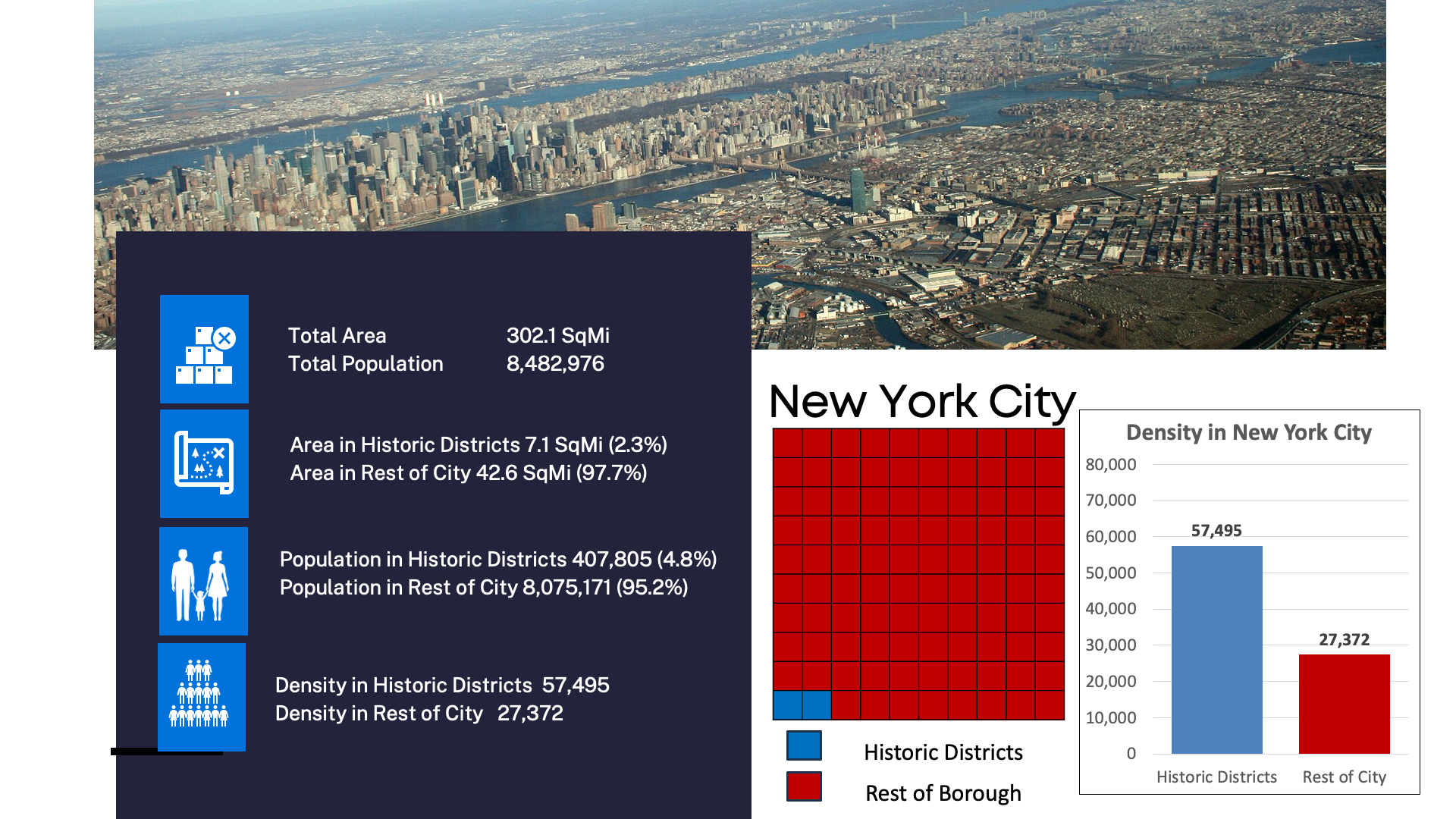
While some call out historic districts as impediments, Rypkema points out that they are often the densest parts of the City. His most recent analysis of historic properties in New York, which excludes individual landmarks, shows that historic districts make up only 2.3% of the City.
We believe preservation has a positive role to play in housing New Yorkers. Older buildings often contain housing that is affordable for current residents. There is a long history of conversions of underused commercial, civic, and religious structures.
We also believe that New York benefits from the layers of history and different kinds of housing stock.
We’ve already seen historic districts upzoned. These are important to our economy, identity, and quality of life, and should not be under threat. The vast majority of the City has no landmark regulations.
The Times editorial also calls out residents who care about their neighborhoods as NIMBYs (Not In My Back Yard). However, the Landmarks Preservation Commission routinely approves new buildings in historic districts. Many people are looking for development that doesn’t have a negative impact on their community. People should have a say in how their neighborhoods grow and change.